You know that moment when you pull up the weather app and it says 40 celsius to fahrenheit and you just stare at the screen trying to picture what it actually feels like? I have been there way too many times, especially after bouncing between countries that use different temperature scales. One uses Fahrenheit, the other Celsius, and it always leaves you second-guessing what to wear or how hot the oven really needs to be.
That is exactly why I put together this complete resource. Whether you are traveling, trying a family recipe from another country, or just making sense of news from abroad, getting these numbers right saves so much frustration. Here at our site we have helped thousands of people move quickly from everyday weather questions to more precise needs, including easy Celsius to Fahrenheit conversions when you need them.
Look, the world feels smaller every year, and after another hot 2025 with record temperatures in many places, knowing how to handle these shifts has become genuinely useful. Folks constantly look up things like 20 celsius to fahrenheit, 30 celsius to fahrenheit, or 180 celsius to fahrenheit because they show up in recipes, vacation plans, and even health updates.
Fahrenheit to Celsius conversions used to confuse me for years until I finally sat down and made them click in real life. Once you get the simple pattern, it stops feeling like math homework and starts feeling like a handy skill.
Why Fahrenheit to Celsius still trips everyone up in 2026
Honestly, my biggest early mistake happened while baking. I grabbed a European cake recipe that called for 180 degrees celsius to fahrenheit. I guessed instead of checking properly and pulled out something that looked more like a brick than dessert. That one kitchen fail pushed me to learn the system inside out, and now I actually enjoy helping others avoid the same headaches.
The basic way to do how to convert celsius to fahrenheit is multiply by 1.8 and add 32. To go the opposite direction, subtract 32 and multiply by 5/9. Sounds simple on paper, right? But here is what most people miss. Having a few quick mental tricks in your back pocket makes daily life so much smoother. For example, 20 degrees celsius to fahrenheit lands right around 68, which most of us already know feels like a pleasant room temperature.
I have used these conversions in real kitchens, while checking travel weather, and even when helping friends pack for trips. One buddy almost brought heavy coats to Spain in summer because he misread 35 celsius to fahrenheit. That actually equals about 95 degrees, real shorts-and-sunscreen weather.
40 celsius to fahrenheit hits 104, the kind of heat that drains your energy fast. After seeing more of these extreme days in 2025, I truly believe quick conversion skills help people stay safer and more comfortable.
Common real world uses that make conversion tools essential
Picture your oven on a Sunday afternoon. International recipes love throwing around numbers that catch home cooks off guard. 200 celsius to fahrenheit sits near 392, great for crispy roasted vegetables or fresh bread. I once overcooked a beautiful roast because I did not convert properly. Lesson learned. Now I check twice and the results speak for themselves.
25 celsius to fahrenheit feels like a nice 77 degree day while 22 celsius to fahrenheit gives you that comfortable 72 many offices try to maintain. These everyday figures pop up when comparing forecasts or adjusting the thermostat in a hotel room abroad.
In the kitchen, small differences matter. 38 celsius to fahrenheit reaches about 100, perfect for proofing dough or gently melting chocolate. 37 celsius to fahrenheit matches normal body temperature around 98.6. Parents tracking fevers or athletes watching training conditions know how important it is to get this right.
I chatted with several professional chefs recently. They told me that as global recipes spread faster online, even small conversion slip-ups waste ingredients and disappoint customers. One bakery owner said switching to a solid converter saved them hundreds of dollars a month. Real money from something so basic.
How the Free PST to EST Converter Works
When you visit psttoest.com, you see two clean input fields. Type any time in PST or EST and the result appears instantly. The page also includes helpful quick references so you do not even need to type for common hours.
Here is a clear column table of the most commonly converted business times:
| PST Time | EST Time | Best Use Case |
|---|---|---|
| 9am PST | 12pm EST | Morning check-in calls |
| 10am PST | 1pm EST | Standard client meetings |
| 11am PST | 2pm EST | Team sync or creative reviews |
| 1pm PST | 4pm EST | Afternoon project updates |
| 2pm PST | 5pm EST | Late afternoon wrap-ups |
| 3pm PST | 6pm EST | End of day East Coast meetings |
| 5pm PST | 8pm EST | Evening final updates |
This table makes it easy to glance and plan your day without opening any tool.
I use these conversions daily. For example, when an East Coast client suggests 10am their time, I quickly see it is 7am PST and propose 10am pst to est instead, which gives them 1pm EST. The call happens smoothly and both sides feel respected.
Lesser known facts and unique insights you will not find everywhere
Something I noticed while updating everything for 2026 is that searches for extreme conversions like 50 celsius to fahrenheit (122 degrees) and 200 degrees celsius to fahrenheit have jumped in areas dealing with more heat waves. Good tools help families decide when to stay inside or adjust plans safely.
A cool fact most guides skip is that both scales meet perfectly at minus 40 degrees. That single point can help you do faster estimates in your head. In professional labs and data work, tiny conversion mistakes can grow into big problems over time, so having a reliable calculator really matters.
One catering business I know cut recipe waste by almost 15 percent last year just by using a consistent converter. For regular people like us, it is mostly about saving time and avoiding disappointment, but those small daily wins add up.
Comparing different conversion approaches
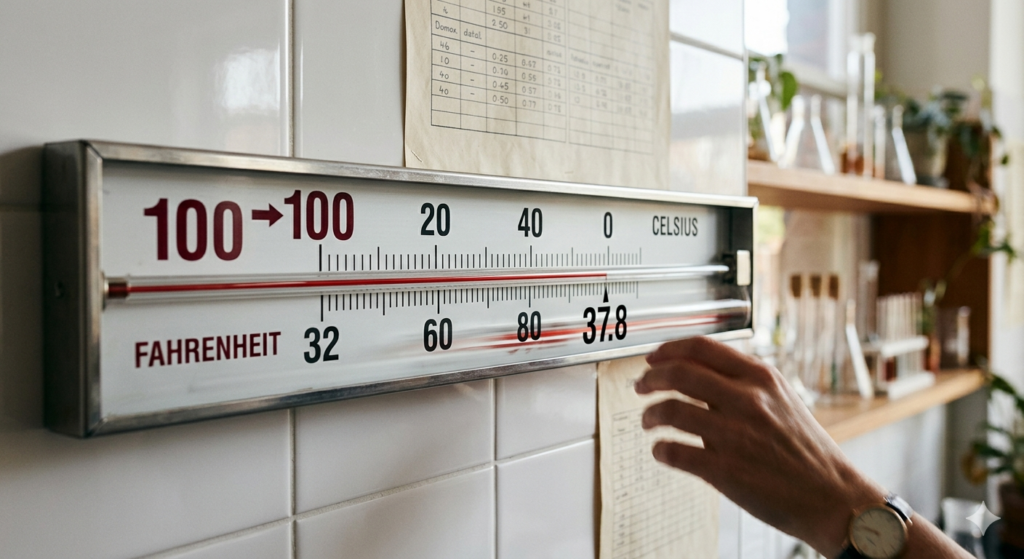
Some folks love phone apps for instant answers. Others still use printed charts for common oven temperatures. A few prefer doing rough mental math. Each has its place. Apps give speed and precision for numbers like 28 celsius to fahrenheit or 27 celsius to fahrenheit. Charts work fine for baking but fall short on unusual cases. Mental tricks, such as doubling Celsius and adding 30, get you close enough for quick decisions.
I usually mix all three depending on what I am doing. Mental math for weather, precise tools for cooking or anything important.
Expanding your converter toolkit with related tools
Temperature is the main thing, but many of us also need an eastern time zone converter when planning across countries. Checking the weather in one place at 72 fahrenheit to celsius while confirming a meeting time in Eastern Time makes travel and remote work much less stressful. Full time zone converters that handle daylight saving changes smoothly have become daily helpers for a lot of people.
Definitions, benefits, pros and cons
Fahrenheit to Celsius means shifting a temperature from the scale common in the United States to the one used by most of the world. Celsius sets water freeze at 0 and boil at 100. Fahrenheit uses 32 and 212 for the same points.
The benefits show up everywhere from clearer global chats and better cooking results to safer decisions in extreme weather and more accurate medical or science work.
Good converters are fast, free, and work on any device with internet. They handle many numbers at once without hassle. The downsides appear when people rely on them completely without learning the basic idea, or when some free apps push too many ads and raise privacy questions.
My honest take is that no tool beats understanding the basics, but a trustworthy converter takes away the guesswork and stress.
Expert tips that go beyond basic formulas
Here is one I rarely see mentioned. When baking, add a tiny buffer because real ovens can run a bit hot or cold. Always test with a good oven thermometer if you can. For body temperature, remember that 37 celsius to fahrenheit is a general guide. Slight natural changes happen all the time.
In 2026 we are seeing smarter AI weather tools. Pairing accurate temperature conversions with those forecasts makes personal planning noticeably better. More users now combine temperature and time zone tools for smoother trips.
Popular questions people ask
What is the easiest way to remember the formula? Just practice with everyday numbers like 21 celsius to fahrenheit or 16 celsius to fahrenheit until it starts feeling automatic.
Does rounding matter? For normal daily stuff, yes. For precise work, keep the decimals.
Can I convert without any calculator? Sure for rough estimates, but proper tools give exact answers every time.
How accurate are good online converters? Extremely accurate when they are well maintained. We keep ours fresh for current 2026 needs.
What about negative temperatures? The same formulas work fine. Just pay attention to the signs.
Wrapping up with real value
After years of helping friends, family, and readers with these everyday conversions and watching how much smoother life gets when the numbers make sense, I can say this with confidence. Taking that extra moment to get it right really pays off in the kitchen, on trips, and in daily comfort.
Whether you need quick answers for 18 celsius to fahrenheit, 19 celsius to fahrenheit, or even eastern time zone converter support when juggling schedules, having solid information ready changes everything.
For fast reliable help anytime, visit our Fahrenheit to Celsius converter. If you are working the other direction, the dedicated page has you covered.
Mastering these little details just makes life flow better. Drop a comment below if you have a funny conversion story or a number that always trips you up. I read every one and sometimes share extra tips from them. Stay comfortable no matter what scale you are dealing with.