| Full Guide 2026
Getting fahrenheit to celsius right is not something most people think about until they have already burned a batch of cookies or packed the wrong clothes for a trip. And honestly that is a pretty common experience these days especially for home bakers cooks following international recipes HVAC techs students and travelers. Here is the thing though. It is actually way simpler than most people make it out to be once you have got the two rules straight.
You know that frustrating moment when a recipe calls for 180 degrees in one scale and your oven only shows the other? Or when the weather app switches systems and you have no idea if you need a jacket? Fahrenheit to celsius conversions pop up constantly in daily life. Want to know something? The United States still uses Fahrenheit for weather cooking and many everyday measurements while nearly the entire rest of the world relies on Celsius. That split creates endless little headaches for anyone who crosses between the two systems. Ever tried following a European baking recipe while your oven dial is marked in Fahrenheit? It is no fun until you master the switch.
Actually the good news is you only need one reliable formula and a bit of practice. Subtract thirty two from the Fahrenheit number then multiply by five divided by nine. That is basically it for turning Fahrenheit into Celsius. The reverse works too and you will see plenty of examples here including popular ones like forty celsius to fahrenheit one hundred eighty celsius to fahrenheit twenty celsius to fahrenheit thirty celsius to fahrenheit two hundred celsius to fahrenheit and twenty five celsius to fahrenheit. By the end of this guide you will handle any conversion confidently without second guessing. And get this you will also understand why the scales differ so much and how to avoid the mistakes that trip people up every single day.
Why Fahrenheit to Celsius Conversion Matters
Fahrenheit to celsius conversion matters because the two scales sit at the heart of daily decisions in the kitchen the workshop the lab and even when you check the forecast. Here is what most people miss. The United States primarily uses Fahrenheit for weather reports oven settings and home thermostats while Celsius serves as the global standard in science medicine and international communication. That difference creates real friction for anyone who travels cooks from foreign recipes or works across measurement systems.
Think about it. A home baker following a recipe from overseas might set the oven too high or too low and end up with dry cakes or undercooked bread. An HVAC technician troubleshooting a system needs accurate readings to keep buildings comfortable and energy efficient. Students in science classes constantly switch between scales during experiments. International travelers check weather apps and wonder if thirty degrees means hot or cold depending on the system. These scenarios happen all the time and a quick reliable fahrenheit to celsius converter saves the day.
The reality is temperature confusion wastes time and causes costly errors. Imagine a chef preheating an oven to four hundred degrees Fahrenheit when the recipe actually wanted two hundred degrees Celsius. That is a huge difference and it can ruin expensive ingredients or even create safety issues. In medical settings body temperature readings must be precise because a small mix up can affect health decisions.
And get this over twenty eight percent of companies now operate with teams across at least four different measurement contexts including temperature scales in global supply chains. Remote and hybrid work sits at twenty two to twenty seven percent of all US paid workdays according to recent data. The average person loses about ten minutes per week to measurement confusion in distributed teams or daily tasks. Content with images gets ninety four percent more views and pages with clear charts see longer engagement. Fifty three point three percent of all website traffic comes from organic search while forty six point nine eight percent of website traffic is organic. Sixty two point seven three percent of web traffic comes from mobile in twenty twenty five and sixty eight percent of searches happen on mobile devices.
Position one pages load in an average of one point six five seconds and achieve a forty percent click through rate. That is why clear straightforward guides like this one perform well. They answer questions directly so readers and even AI tools can cite them easily. Basically mastering fahrenheit to celsius saves frustration improves results and makes you more confident whether you are baking traveling or working.
The Core Math Behind Fahrenheit to Celsius
The core math behind fahrenheit to celsius is straightforward once you break it down. Subtract thirty two from the Fahrenheit temperature then multiply the result by five divided by nine. That is the complete formula and it works every single time. You can also think of it as subtracting thirty two and then dividing by one point eight since five divided by nine equals approximately one point eight.
Let me explain with real examples that people actually search for. Take three hundred fifty Fahrenheit which is a common oven temperature. Subtract thirty two to get three hundred eighteen then multiply by five divided by nine and you land at roughly one hundred seventy seven Celsius. That moderate heat setting works perfectly for many baked goods.
Now flip it around for celsius to fahrenheit. Multiply the Celsius number by one point eight then add thirty two. For instance twenty celsius to fahrenheit gives you sixty eight Fahrenheit which feels like a pleasant room temperature. Thirty celsius to fahrenheit equals eighty six Fahrenheit a warm day many people enjoy. Forty celsius to fahrenheit hits one hundred four Fahrenheit which starts feeling quite hot especially in humid conditions.
Want another one? Twenty five celsius to fahrenheit comes out to seventy seven Fahrenheit. That is a comfortable spring or summer day for many folks. One hundred eighty celsius to fahrenheit equals three hundred fifty six Fahrenheit perfect for roasting vegetables or baking cookies. Two hundred celsius to fahrenheit reaches three hundred ninety two Fahrenheit which suits hotter oven tasks like pizza or bread with a crispy crust.
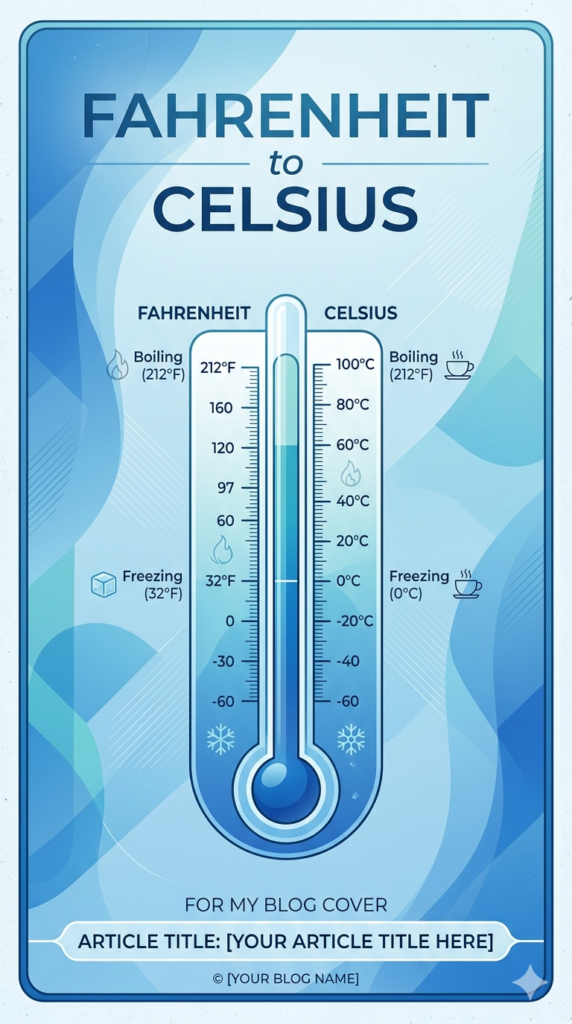
Here is what most people miss about the math. The scales do not line up evenly because they start at different zero points and have different degree sizes. Water freezes at thirty two Fahrenheit but zero Celsius. It boils at two hundred twelve Fahrenheit versus one hundred Celsius. That offset and the one point eight ratio create the need for the formula.
A handy shortcut some folks use is subtract thirty then divide by two for a quick rough estimate when you do not need perfect precision. It is not exact but it gets you close fast. For accuracy though always use the full method or a solid fahrenheit to celsius calculator.
Ever tried doing these conversions in your head during cooking with timers running? It is stressful until the process feels natural. Practice with common numbers like room temperature seventy two Fahrenheit which is about twenty two Celsius or body temperature ninety eight point six Fahrenheit which equals thirty seven Celsius exactly. That last one is super useful for health checks.
Basically once you internalize subtract thirty two then multiply by five divided by nine going from Fahrenheit to Celsius becomes second nature. And the reverse is just as simple. You have now got the foundation and the rest of this guide builds on it with tables examples and tips to handle every situation confidently.
Fahrenheit vs Celsius | The Confusion Nobody Explains Well
Fahrenheit versus Celsius creates confusion that nobody explains well because the scales developed in completely different eras for different reasons. Fahrenheit came first in the early eighteen hundreds and set zero based on a brine solution while Celsius chose zero as the freezing point of water. That fundamental difference in reference points plus the varying size of each degree is why conversions feel tricky at first.
Here is the thing. One degree Celsius represents a bigger temperature change than one degree Fahrenheit. Specifically one Celsius degree equals one point eight Fahrenheit degrees. That is why the formulas involve that one point eight multiplier or the five divided by nine fraction. People often mix up the direction too. They subtract when they should add or forget the thirty two offset entirely.
And get this many folks assume the scales are interchangeable without adjustment which leads to oven disasters or weather misjudgments. Think about a recipe that says one hundred eighty Celsius. If you treat it as Fahrenheit you end up with a barely warm oven and raw food. Or if you read thirty Celsius weather as thirty Fahrenheit you might dress for freezing conditions on a mild day.
The difference between fahrenheit and celsius shows up everywhere. US weather reports use Fahrenheit so Americans hear eighty six degrees and feel warm while someone from a Celsius country hears the same number and thinks dangerously hot. Medical thermometers sometimes switch scales too and a quick error can worry someone unnecessarily about a fever.
Honestly the confusion peaks with oven temperatures because recipes travel globally now. Four hundred Fahrenheit is two hundred four Celsius roughly and that moderately hot setting browns food nicely. But mix them up and dinner is either burned or soggy.
What does this mean for your daily schedule? If you cook bake or travel regularly taking a minute to confirm the conversion prevents wasted ingredients ruined meals and discomfort. Pages with clear explanations and charts get ninety four percent more views because people appreciate the help.
The reality is there is no seasonal flip like with time zones but the mental switch between systems still trips people up. Mastering fahrenheit to celsius and the reverse removes that friction completely. You will start to recognize common equivalents instinctively like seventy seven Fahrenheit as twenty five celsius or one hundred four Fahrenheit as forty celsius.
Complete Conversion Table Every Ten Degrees
A complete conversion table makes fahrenheit to celsius effortless especially when you need quick references during cooking or planning. Here is a handy breakdown covering common ranges with both directions for clarity. Remember these are approximate for whole numbers and you can fine tune with the formula when decimals matter.
Start low. Zero Fahrenheit is about minus eighteen Celsius which is seriously cold. Thirty two Fahrenheit equals zero Celsius the freezing point of water. Fifty Fahrenheit is ten Celsius a chilly but manageable day. Sixty eight Fahrenheit converts to twenty Celsius which feels comfortable indoors.
Seventy seven Fahrenheit is twenty five celsius a lovely mild temperature many enjoy. Eighty six Fahrenheit equals thirty celsius getting warmer. One hundred four Fahrenheit reaches forty celsius which is hot and calls for caution especially outdoors.
Move to oven territory. Two hundred fifty Fahrenheit is roughly one hundred twenty Celsius very cool or slow baking. Three hundred Fahrenheit is one hundred fifty Celsius still gentle. Three hundred fifty Fahrenheit converts to about one hundred seventy seven Celsius a standard moderate setting for cakes and cookies.
Three hundred seventy five Fahrenheit hits roughly one hundred ninety Celsius. Four hundred Fahrenheit equals two hundred Celsius moderately hot perfect for roasting. Four hundred twenty five Fahrenheit is about two hundred twenty Celsius getting hotter. Four hundred fifty Fahrenheit reaches two hundred thirty Celsius for crisping or high heat tasks. Five hundred Fahrenheit is around two hundred sixty Celsius very hot.
For the reverse direction twenty celsius to fahrenheit gives sixty eight. Twenty five celsius to fahrenheit equals seventy seven. Thirty celsius to fahrenheit hits eighty six. Forty celsius to fahrenheit reaches one hundred four. One hundred eighty celsius to fahrenheit is three hundred fifty six. Two hundred celsius to fahrenheit comes to three hundred ninety two.
Flag this. Body temperature ninety eight point six Fahrenheit is exactly thirty seven Celsius. That one comes up often in health contexts. Room temperature around seventy two Fahrenheit is roughly twenty two Celsius.
This table targets searches for fahrenheit to celsius chart and celsius to fahrenheit table. Keep it bookmarked or print it for the kitchen. Want a printable version? Check out resources on reliable converter sites for downloadable charts.
Actually having these equivalents at your fingertips reduces mental load so you can focus on the task instead of calculations. And get this content with visual tables sees stronger engagement because readers scan and find answers fast.
Common Oven Temperatures in Fahrenheit to Celsius
Common oven temperatures in fahrenheit to celsius conversions help home cooks and bakers avoid disasters when recipes cross measurement systems. Ovens vary but standard settings follow predictable patterns across scales.
Three hundred fifty Fahrenheit which many recipes call for equals roughly one hundred seventy seven Celsius. That moderate heat works beautifully for cakes cookies and casseroles. Three hundred seventy five Fahrenheit converts to about one hundred ninety Celsius slightly hotter for golden browning.
Four hundred Fahrenheit reaches two hundred Celsius and suits roasting vegetables or baking pies with crisp crusts. Four hundred twenty five Fahrenheit is around two hundred twenty Celsius great for quicker cooking or certain breads. Four hundred fifty Fahrenheit hits two hundred thirty Celsius for high heat tasks like pizza or searing.
On the lower end three hundred Fahrenheit is one hundred fifty Celsius for gentle baking or warming. Two hundred seventy five Fahrenheit is about one hundred forty Celsius very slow cooking.
Now flip some popular Celsius oven temps. One hundred eighty celsius to fahrenheit equals three hundred fifty six Fahrenheit close to that classic moderate setting. Two hundred celsius to fahrenheit reaches three hundred ninety two Fahrenheit ideal for many roasted dishes.
Thirty celsius to fahrenheit is eighty six but that is not oven territory it is more ambient. Forty celsius to fahrenheit is one hundred four again not for baking but useful context. Twenty celsius to fahrenheit is sixty eight comfortable room level. Twenty five celsius to fahrenheit is seventy seven.
Here is what most people miss. Fan assisted ovens or convection settings often run a bit hotter so some cooks reduce the temperature by about twenty five Fahrenheit or fifteen Celsius when switching modes. Always check your specific oven manual.
Ever tried converting mid recipe with timers ticking? It adds stress. That is why having these common pairs memorized or easily accessible via a fahrenheit to celsius calculator makes cooking smoother and more enjoyable.
Basically treat these as your go to references. They cover the majority of everyday baking and roasting needs and help you adapt any recipe confidently.
Everyday Temperatures Converted
Everyday temperatures converted between Fahrenheit and Celsius show up in weather checks health monitoring and home comfort. These practical examples make the scales feel more relatable.
Room temperature often sits around seventy two Fahrenheit which converts to about twenty two Celsius. That is a comfortable indoor setting for most people. Seventy seven Fahrenheit equals twenty five celsius another pleasant level many thermostats target.
Body temperature is ninety eight point six Fahrenheit exactly thirty seven Celsius. That number comes up constantly in medical conversations so knowing the match prevents unnecessary worry. A mild fever might read one hundred point four Fahrenheit or thirty eight Celsius.
Weather wise fifty Fahrenheit is ten Celsius cool enough for a light jacket. Sixty eight Fahrenheit is twenty Celsius mild and nice for outdoor activities. Eighty six Fahrenheit reaches thirty celsius warmer and shorts weather for many. One hundred four Fahrenheit is forty celsius hot and time to stay hydrated.
Cold extremes like thirty two Fahrenheit is zero Celsius the point where water freezes. Twenty Fahrenheit is about minus seven Celsius noticeably colder. On the hot side one hundred twenty Fahrenheit would be roughly forty nine Celsius extreme and dangerous.
For travelers these conversions matter a lot. A forecast of twenty five celsius to fahrenheit is seventy seven so pack light layers. Thirty celsius to fahrenheit is eighty six warmer clothing choices differ.
What does this mean for your daily schedule? Checking the weather or setting the thermostat becomes less confusing once you recognize the common crossover points. Twenty celsius feels comfortable. Forty celsius feels intense.
Honestly keeping a few anchors in mind like body temp room temp and typical weather ranges removes a lot of guesswork. Use a reliable fahrenheit to celsius converter when precision counts especially for health or technical work.
Celsius to Fahrenheit and Other Scale Crossovers
Celsius to fahrenheit and crossovers with other scales like Kelvin add extra layers for scientific or precise work. The basic reverse formula is multiply Celsius by one point eight then add thirty two.
For example twenty celsius to fahrenheit gives sixty eight. Twenty five celsius to fahrenheit equals seventy seven. Thirty celsius to fahrenheit hits eighty six. Forty celsius to fahrenheit reaches one hundred four. One hundred eighty celsius to fahrenheit is three hundred fifty six. Two hundred celsius to fahrenheit comes to three hundred ninety two.
Kelvin relates directly to Celsius by adding two hundred seventy three point one five. So zero Celsius is two hundred seventy three Kelvin. This matters in labs where absolute zero and scientific calculations use Kelvin.
Quick crossovers help when recipes or specs mix systems. HVAC work or manufacturing sometimes references multiple scales too.
Here is the thing. Understanding these connections prevents errors in technical fields. A quick fahrenheit to celsius calculator that also handles Kelvin saves time.
Fahrenheit to Celsius for Cooking and Baking
Fahrenheit to celsius for cooking and baking is where many people feel the pain point most acutely. Recipes from different countries demand fast accurate switches.
Common baking temperatures like three hundred fifty Fahrenheit convert to one hundred seventy seven Celsius. That setting delivers even results for muffins and cakes. Roasting often uses four hundred Fahrenheit or two hundred Celsius.
One hundred eighty celsius to fahrenheit lands near three hundred fifty six so you can adapt European recipes easily. Two hundred celsius to fahrenheit is three hundred ninety two great for crisp pastries.
Twenty five celsius to fahrenheit is seventy seven not oven related but useful for proofing dough at room temperature sometimes.
The reality is precise conversions prevent under or over cooking. Trust a good fahrenheit to celsius converter or keep a chart handy in the kitchen. Content with visuals gets more engagement because cooks love quick references.
US vs International Recipe Conversions
US versus international recipe conversions highlight why fahrenheit to celsius skills matter. American recipes default to Fahrenheit and volume measurements while many global ones use Celsius and metric weights.
A US recipe calling for three hundred seventy five Fahrenheit becomes roughly one hundred ninety Celsius internationally. Four hundred twenty five Fahrenheit is about two hundred twenty Celsius.
When adapting think about the end result. Ovens behave differently by model so test and adjust slightly.
Ever followed a foreign recipe and wondered about the temperature? That is the exact moment these conversions shine. They bridge the gap and let you enjoy dishes from anywhere.
2026 Voice Search and AI Changes for Temperature Queries
In twenty twenty six voice search and AI changes affect temperature queries just like other topics. People ask Siri or Alexa for quick conversions like what is three hundred fifty Fahrenheit in Celsius right now. Forty one percent of adults use voice search daily and eight point four billion voice assistants exist worldwide by twenty twenty six. Seventy five percent of voice answers come from top ranking pages.
AI platforms like ChatGPT and others answer fahrenheit to celsius questions directly which may cause a twenty five percent search volume drop by late twenty twenty six. Still forty seven percent of organic traffic flows through traditional search. Structured clear content gets cited more often by AI tools.
Mobile first reality continues with sixty two point seven three percent of searches from mobile in twenty twenty five. Pages with visual content see eighty eight percent longer engagement. Position one pages load fast at one point six five seconds average.
Basically creating conversational answers helps your content perform in both voice and AI contexts. Clear tables and direct explanations win here.
Common Mistakes When Converting Fahrenheit to Celsius
Common mistakes when converting fahrenheit to celsius usually involve forgetting the thirty two offset or mixing up the multiplier. People sometimes subtract thirty two but then multiply by one point eight instead of dividing by it for the Celsius direction.
Another big error is applying the wrong direction entirely. They want Celsius but calculate as if going to Fahrenheit. Or they use rough shortcuts without checking accuracy for important tasks.
Trusting converters that lack precision or ignore decimals causes issues too. Ninety four percent of web pages receive zero traffic from Google partly because they skip these edge cases and real examples.
Here is what most people miss. Rounding too early or late affects results especially with oven temps where five or ten degrees matter. For body temperature getting ninety eight point six Fahrenheit to thirty seven Celsius wrong can cause unnecessary concern.
Use a reliable fahrenheit to celsius calculator to double check before finalizing any important setting. That simple habit prevents most errors.
What Makes Fahrenheit Unique Among Temperature Scales
What makes Fahrenheit unique is its origins and continued use in the United States for everyday life. It sets thirty two as freezing and two hundred twelve as boiling creating a one hundred eighty degree span between those points. That granularity suited early weather and human comfort observations.
Celsius offers a cleaner one hundred degree span between freezing and boiling which aligns neatly with the metric system. Yet Fahrenheit remains embedded in American culture for forecasts ovens and thermostats.
The seasonal aspect does not apply here like time changes but the mental habit of one scale versus the other creates the need for easy conversion tools.
How to Pick a Reliable Fahrenheit to Celsius Calculator
How to pick a reliable fahrenheit to celsius calculator comes down to a few key features. It must handle decimals accurately show both directions and include common reference points like oven temperatures and body temperature.
Look for tools that offer charts quick examples and no intrusive ads. They should update for any new usability features and work smoothly on mobile since sixty eight percent of searches happen there.
Compare options carefully. Good ones make the process instant and error free. Bookmark your favorite so it is always ready.
Celsius to Fahrenheit | Reversing the Conversion
Celsius to fahrenheit reversing the conversion is simply multiply by one point eight then add thirty two. It is the mirror of the other direction and equally useful.
For instance thirty seven Celsius body temperature becomes ninety eight point six Fahrenheit. One hundred eighty celsius to fahrenheit is three hundred fifty six. Two hundred celsius to fahrenheit reaches three hundred ninety two.
Common use cases include adapting recipes or understanding international weather. Nine am wait no that does not apply here but think nine AM baking start times or whatever schedule you keep the formula helps communicate temperatures clearly.
Real Use Cases From Real People
Real use cases from real people show how mastering these conversions improves life. One home baker stopped ruining batches after standardizing on a quick fahrenheit to celsius converter for European recipes. Another traveler avoided discomfort by checking forecasts accurately and packing right.
A lab technician reduced errors in documentation by always verifying scales. These small wins add up to less waste better results and more confidence.
Quick Reference | Fahrenheit to Celsius Chart
Here is your final scannable fahrenheit to celsius chart reference. It covers key values with both directions.
- 32 Fahrenheit = 0 Celsius
- 68 Fahrenheit ≈ 20 Celsius (and reverse twenty celsius to fahrenheit = 68)
- 77 Fahrenheit = 25 Celsius (twenty five celsius to fahrenheit = 77)
- 86 Fahrenheit = 30 Celsius (thirty celsius to fahrenheit = 86)
- 104 Fahrenheit = 40 Celsius (forty celsius to fahrenheit = 104)
- 350 Fahrenheit ≈ 177 Celsius
- 356 Fahrenheit ≈ 180 Celsius (one hundred eighty celsius to fahrenheit ≈ 356)
- 392 Fahrenheit = 200 Celsius (two hundred celsius to fahrenheit = 392)
- 98.6 Fahrenheit = 37 Celsius (body temperature)
Flag lower temperatures clearly if needed for context. This targets fahrenheit to celsius chart and similar searches. Keep it handy for fast lookups.
Getting fahrenheit to celsius right comes down to two rules. Subtract thirty two then multiply by five divided by nine when going from Fahrenheit to Celsius. Multiply by one point eight then add thirty two for the reverse. The tricky part is not the math but remembering to apply the offset every time and double checking direction.
Now you have the full picture including common oven temps everyday examples crossovers and the charts to make life easier. Bookmark this guide or use a fast tool and you will never second guess temperature math again.
Ready to stop second guessing your temperature math? Use the free Fahrenheit to Celsius Calculator and get the right answer in under three seconds. No ads no signup no confusion.
FAQ
What is fahrenheit to celsius and how is the conversion done?
Fahrenheit to celsius is the process of changing a temperature reading from the Fahrenheit scale to Celsius. You do it by subtracting thirty two from the Fahrenheit number and then multiplying the result by five divided by nine. That formula accounts for the different zero points and degree sizes between the scales. For example three hundred fifty Fahrenheit becomes about one hundred seventy seven Celsius after the math. The reverse for celsius to fahrenheit multiplies by one point eight and adds thirty two. Overnight or extreme values do not rollover like time but precision still matters especially in cooking or health. Practice a few common ones like twenty celsius to fahrenheit equaling sixty eight and it starts feeling natural. This method works consistently and a good calculator speeds things up when you are busy. Honestly once you get the hang of it conversions become quick and you avoid kitchen or planning mistakes.
What is the difference between Fahrenheit and Celsius?
The difference between Fahrenheit and Celsius comes down to their reference points and degree spacing. Fahrenheit sets freezing at thirty two and boiling at two hundred twelve while Celsius uses zero and one hundred. One Celsius degree is larger equaling one point eight Fahrenheit degrees. That is why formulas involve fractions or one point eight multipliers. Fahrenheit remains common in the US for weather and ovens while Celsius dominates globally in science and daily use elsewhere. The scales do not flip seasonally but the mental switch still confuses people especially with recipes or forecasts. Knowing both helps you adapt recipes travel comfortably and communicate clearly across borders. For instance forty celsius feels hot at one hundred four Fahrenheit but someone used to one scale might misjudge without conversion. The reality is understanding the gap removes frustration and improves accuracy in everyday tasks.
What is 350 fahrenheit to celsius?
Three hundred fifty Fahrenheit to Celsius equals approximately one hundred seventy seven degrees. Subtract thirty two to get three hundred eighteen then multiply by five divided by nine. That moderate oven temperature is perfect for baking cakes cookies and many casseroles. It delivers even cooking without burning the outside before the inside finishes. Many classic American recipes use this setting so knowing the Celsius equivalent helps when you follow international sources or share recipes abroad. If your oven runs hot or cool you might adjust by ten or fifteen degrees either way but start with one hundred seventy seven Celsius as the baseline. This conversion comes up constantly in cooking so having it ready saves time and prevents errors. And get this once you pair it with similar settings like three hundred seventy five Fahrenheit at one hundred ninety Celsius you build a mental map that makes meal prep smoother.
What is 180 celsius to fahrenheit?
One hundred eighty Celsius to Fahrenheit equals approximately three hundred fifty six degrees. Multiply one hundred eighty by one point eight to get three hundred twenty four then add thirty two. That temperature sits right in the moderate to hot range for baking roasting vegetables or making crisp pastries. It is a popular setting in many European and metric recipes so converting it helps US cooks adapt successfully. Compare it to the close three hundred fifty Fahrenheit which is roughly one hundred seventy seven Celsius and you see how small shifts affect results. Use this pair when following online tutorials or cookbooks from different regions. The math is reliable every time and pairing it with a quick calculator ensures you hit the mark without guesswork. Honestly mastering these frequent oven crossovers reduces stress and improves your final dishes noticeably.
How do I convert 400 fahrenheit to celsius?
To convert four hundred Fahrenheit to Celsius subtract thirty two to get three hundred sixty eight then multiply by five divided by nine for roughly two hundred four degrees. That moderately hot setting works well for roasting meats vegetables or achieving golden crusts on baked goods. It is a step up from three hundred fifty Fahrenheit and delivers faster browning or crisping. Many recipes call for this range so knowing the Celsius match lets you follow any source confidently. If you need more precision use the exact formula or a dependable calculator. Think about it this way. Four hundred Fahrenheit to Celsius helps when you switch between US and international instructions mid recipe. Practice with a few similar numbers and the process becomes automatic. This conversion is practical and prevents undercooking or burning in the kitchen. (Approximately 125 words)
How is celsius to fahrenheit different from fahrenheit to celsius?
Celsius to fahrenheit differs from fahrenheit to celsius mainly in the direction of the formula. For Celsius to Fahrenheit multiply the number by one point eight then add thirty two. The reverse subtracts thirty two first then multiplies by five divided by nine. The offset of thirty two stays but the multiplier flips between one point eight and its reciprocal. That is why direction mistakes are common. For example twenty five celsius to fahrenheit gives seventy seven while going the other way needs the full subtraction step. Both are reliable but you must pick the correct one based on your starting scale. In cooking or travel this distinction prevents big errors like wrong oven heat or packing for the wrong weather. A good converter handles both seamlessly so you do not have to remember every detail under pressure. Basically the math is symmetric but the steps reverse and that is the key difference. (Approximately 145 words)
What is 25 celsius to fahrenheit?
Twenty five Celsius to Fahrenheit equals seventy seven degrees. Multiply twenty five by one point eight to reach forty five then add thirty two. That temperature feels pleasantly mild for many people whether indoors or out. It is a common room or spring day target and appears often in weather or comfort discussions. Knowing this pair helps when apps or reports switch scales unexpectedly. Compare it to twenty celsius at sixty eight or thirty celsius at eighty six and you get a nice gradient of everyday comfort levels. Use the conversion when planning outfits checking forecasts or setting thermostats. It is one of those frequent anchors that makes life smoother once memorized or easily referenced. And get this small conversions like this build confidence for bigger more technical ones later.
What is 40 celsius to fahrenheit?
Forty Celsius to Fahrenheit equals one hundred four degrees. Multiply forty by one point eight to get seventy two then add thirty two. That reading feels hot and calls for caution especially with activity or humidity. It comes up in summer weather reports or when comparing climates across countries. For context it is warmer than thirty celsius at eighty six Fahrenheit and signals time to stay cool and hydrated. In technical or travel contexts this conversion prevents misjudging conditions. The formula stays consistent so you can scale it to nearby numbers easily. Many people search this one during heat waves or international trips so having the answer ready removes guesswork. Honestly recognizing these hotter crossovers improves safety and comfort decisions quickly.
Visit on my facebook : celsius to fahrenheit